I saw what was
being taken
from the people
who make the most
beautiful things
on earth.
I grew up between Hong Kong and the Himalayas. I walked the runways of Chanel and Armani. I reported on human rights for fairplanet.org. REIN is what those three lives made inevitable.
Not individual workshops. Not charitable programmes. Cooperatives give small producers collective bargaining power, shared infrastructure, and economic continuity. That's the only structure REIN trusts with its sourcing.
The world's finest natural fibres should have the most transparent, verifiable, human supply chains. Scarcity is not a licence for exploitation. It is an argument for rigour.
Every piece carries generations of craft intelligence, held by producers who were paid fairly for it. That is what you are buying. The material is the evidence of that knowledge — not the other way around.
Most brands source the material,
then find a story.
We find the cooperative first.
Every cooperative we work with must hold independently verified certification before any conversation about product begins. This sequence — ethics first, craft second — is what separates REIN structurally from brands that bolt an ethics story onto a sourcing decision already made.
An organisational certification — it covers how the cooperative operates, not just what it makes. Fair wages, safe conditions, democratic governance, gender equity. Independently audited. Not self-declared.
Cooperative structureIndependent verification of grade, species, and origin. In a market where blended and mislabelled fibre is routine, this is the document. We carry it for every product we make.
Material provenanceMost certified-fibre brands have no cooperative-level accountability. Most fair-trade brands don't work at this level of material quality. REIN operates at the intersection.
I didn't leave the fashion world in disappointment. I left with a very specific understanding of what it could do — and a very clear picture of what it was failing to do for the communities whose knowledge made it possible.
— and that the product could be better for it.
I was scouted in Hong Kong the summer after school and spent years on the runways of Chanel, Armani and Louis Vuitton. Later, while studying journalism, I began writing on human rights and the environment for Fairplanet. Those two lives were not as separate as they looked. One taught me what genuine quality feels like. The other taught me exactly who was being denied the benefit of producing it.
Journalism has one discipline that changes everything: you are required to show your working. I documented supply chains. I interviewed producers who could tell me, in exact figures, the difference between what they were paid and what their work eventually sold for in European boutiques. The numbers were not close. The cooperative model was the only structure I found that actually changed them.
The provenance card is the record — not a marketing document.
Every REIN product ships with a provenance card carrying the cooperative's name, its certifications, the region of production, and the fibre grade data. If you want to verify any of it, you can.
Learn about our sourcingCertified mountain fibre
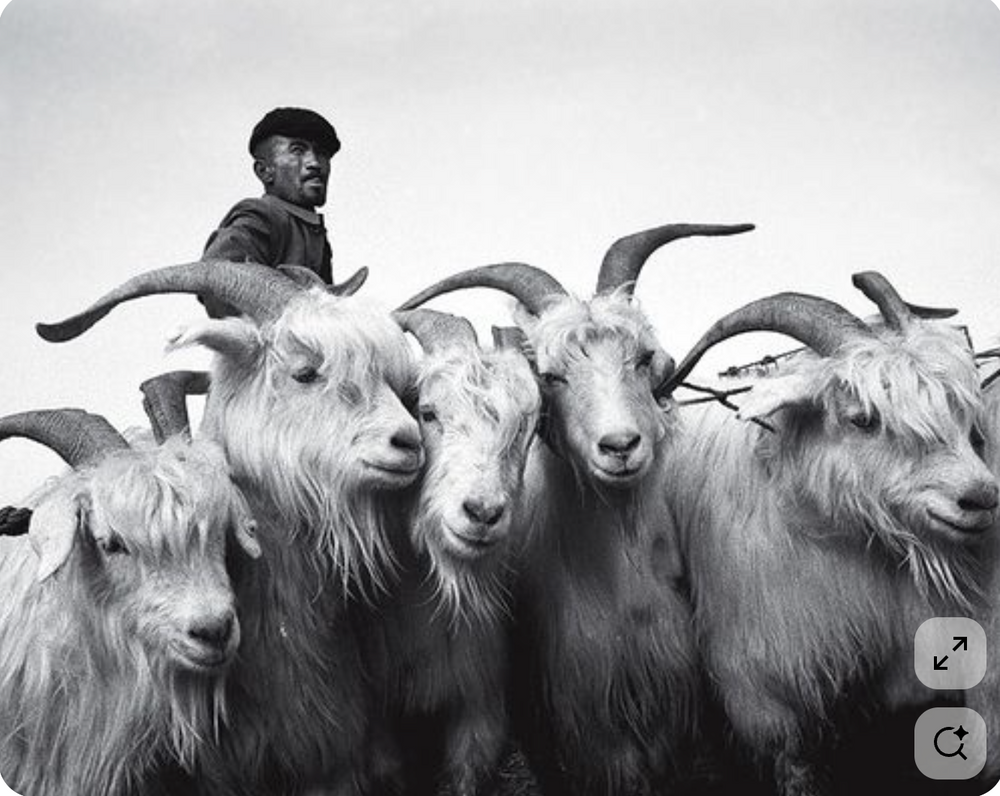
Himalayan range
Certified provenance
throw-shuttle
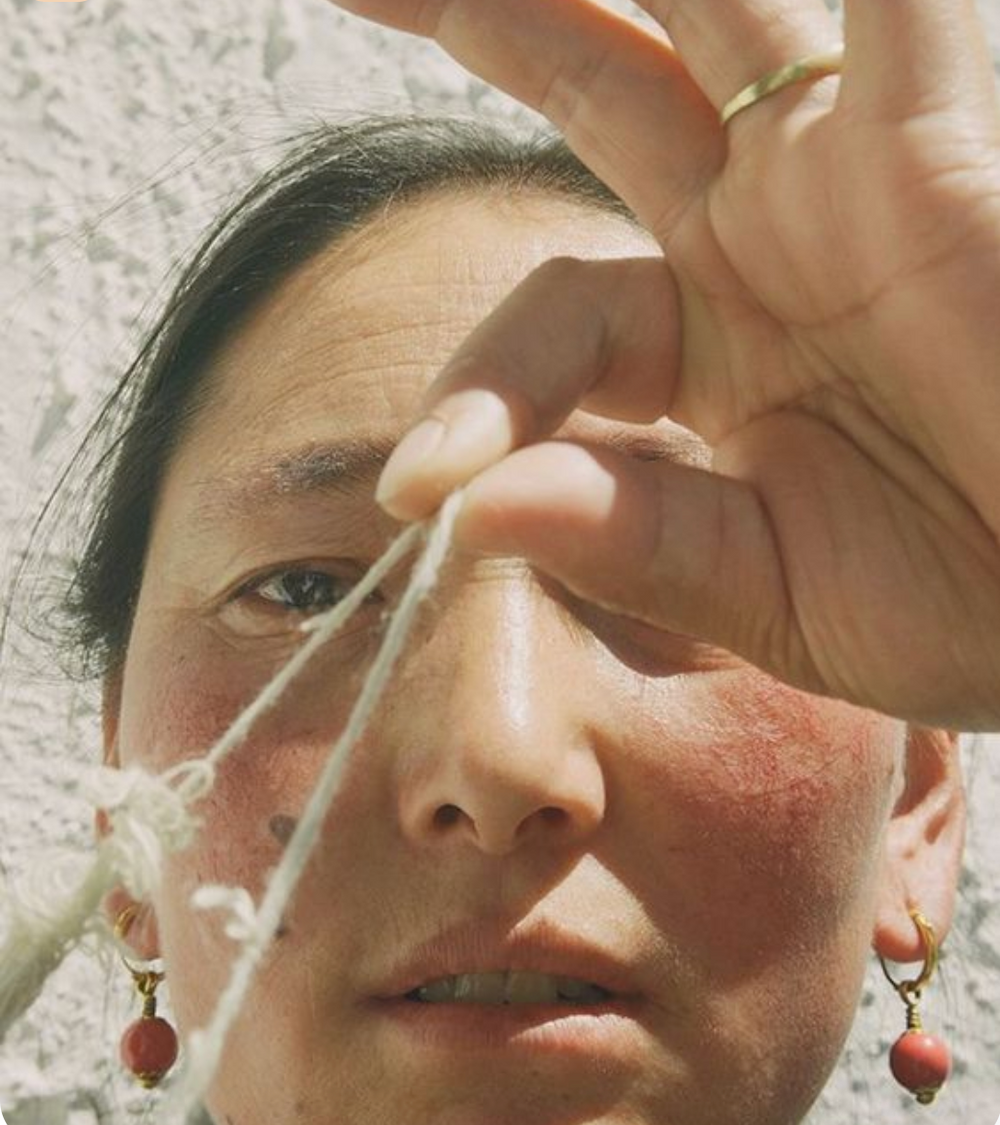
Her father reads the stars. Her mother is from Hong Kong. She grew up between those two worlds — and between them, she fell in love with the things made by hand in the places most people only pass through. A modelling career that began on the streets of Hong Kong took her to the runways of Chanel and Armani. Later, writing on human rights and the environment for fairplanet.org, she learned exactly what was happening to the communities whose knowledge made all of it possible. REIN was the only conclusion that made sense.
- Choosing a selection results in a full page refresh.
- Opens in a new window.